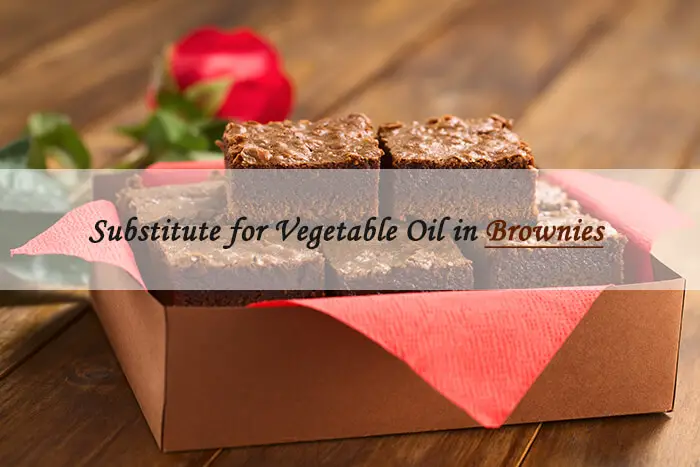
No Vegetable Oil? Best Substitutes for Perfect Brownies
You're in the mood for rich, fudgy brownies, you've gathered your ingredients, and then — disaster strikes! No vegetable oil. Or perhaps you're simply looking for a healthier alternative, a way to add a unique flavor, or to cater to a specific dietary need. Whatever the reason, running out of or intentionally avoiding vegetable oil doesn't mean your brownie dreams are crushed. In fact, it opens up a world of delicious possibilities. There are numerous vegetable oil substitutes for brownies that can deliver the same, if not better, moist, chewy, and utterly satisfying results.
Vegetable oil is often the unsung hero in many brownie recipes, contributing to their signature moisture and tenderness by slowing down gluten formation and keeping the crumb soft. It typically adds significant fat content, which, while delicious, might not align with everyone's dietary goals. Fortunately, a diverse array of alternatives can step in, offering not just functional replacement but also exciting new flavors and nutritional benefits. From creamy dairy fats to vibrant fruit purees, let's dive into the best substitutes that will keep your brownies perfect every time.
Understanding the Role of Fat: Why Substitutes Work
Before we explore the alternatives, it's helpful to understand what vegetable oil does in your brownie batter. Primarily, it provides fat, which contributes to:
- Moisture: Fat traps moisture, preventing brownies from drying out and ensuring a rich, melt-in-your-mouth texture.
- Chewiness/Tenderness: It helps create a tender crumb by coating flour proteins, inhibiting excessive gluten development. This is why oil-based brownies are often described as chewy or fudgy.
- Structure: While not a primary leavening agent, fat can help create a more even structure by preventing the batter from becoming too dense.
When choosing vegetable oil substitutes for brownies, we're looking for ingredients that can fulfill these roles, even if they bring their own unique characteristics to the table. Some substitutes might add richness, others might boost fiber, and some will significantly cut down on calories and fat. The beauty lies in customization, allowing you to tailor your brownies to your preference.
Rich & Creamy Alternatives: Butters, Oils & Dairy
Melted Butter: The Indulgent Classic
Butter is arguably the most common and beloved substitute for vegetable oil in brownies, and for good reason. It introduces a wonderfully rich, creamy flavor that vegetable oil simply can't match. Butter-based brownies often have a denser, fudgier texture than their oil counterparts, providing a truly indulgent experience. To use it, simply melt unsalted butter and use it in a 1:1 ratio for the vegetable oil called for in your recipe. For example, if your recipe asks for ½ cup of oil, use ½ cup of melted butter. Using unsalted butter gives you control over the overall saltiness of your brownies, which is especially important with chocolate.
Coconut Oil: A Tropical Twist or Neutral Base
Coconut oil is a versatile and popular choice, particularly for those seeking healthier or vegan-friendly options. It's solid at room temperature, much like butter, so it should be melted before being incorporated into your brownie batter. It's an excellent 1:1 substitute for vegetable oil. Coconut oil comes in two main varieties:
- Virgin/Unrefined Coconut Oil: Imparts a subtle but distinct coconut flavor, which pairs beautifully with chocolate. This is perfect if you enjoy a hint of the tropics in your dessert.
- Refined Coconut Oil: Has a more neutral flavor profile, making it an ideal choice if you want the benefits of coconut oil without the taste.
Both types will contribute to a moist texture, similar to vegetable oil, but with the added benefit of healthy medium-chain triglycerides (MCTs). For more creative healthy alternatives, explore Beyond Oil: Healthy Substitutes for Moist, Chewy Brownies.
Olive Oil: A Surprising Sophistication
While it might sound unconventional, olive oil can be a surprisingly sophisticated substitute for vegetable oil, especially when baking with dark chocolate. Its fruity, slightly peppery notes can enhance the complex flavors of good quality cocoa or chocolate, adding a depth that's truly unique. For baking, opt for a light-tasting extra virgin olive oil or a pure olive oil to avoid an overly strong savory flavor. It typically works well as a 1:1 substitute, but you might want to start with slightly less (e.g., ¾ cup olive oil for 1 cup vegetable oil) if you're concerned about a potent flavor. Olive oil also contributes healthy monounsaturated fats.
Greek Yogurt: For a Tangy, Moist Crumb
Greek yogurt is another fantastic healthy alternative that adds incredible moisture and a slight tanginess to brownies. It's a great option if you're looking to reduce the fat content while still achieving a rich, dense texture. Use plain, full-fat Greek yogurt for the best results in terms of creaminess and structure. If your recipe calls for 1 cup of vegetable oil, you can typically use ¾ to 1 cup of Greek yogurt, adjusting based on the thickness of the yogurt and your desired batter consistency. It also adds a boost of protein, making your brownies a touch more substantial.
Fruity & Earthy Purees: Healthy & Moist Alternatives
These natural purees are excellent options for reducing fat and adding natural sweetness and fiber to your brownies. They typically replace oil in a 1:1 ratio, though you might need to slightly reduce other liquid ingredients in your recipe to maintain the right batter consistency.
Applesauce: The Low-Fat Champion
Applesauce is a long-standing favorite for healthier baking, and it shines as a vegetable oil substitute for brownies. It adds ample moisture without significant fat or calories and contributes a subtle, natural sweetness. The key is to use unsweetened applesauce to control the sugar content of your brownies. If your recipe calls for ½ cup of oil, use ½ cup of unsweetened applesauce. This swap is ideal for those who want to make their brownies lighter without sacrificing texture or flavor.
Mashed Bananas: Sweetness and a Fruity Note
Ripe mashed bananas are another fantastic natural sweetener and moisture provider. They work well as a 1:1 substitute for vegetable oil, adding a mild, sweet banana flavor that complements chocolate beautifully. The riper the bananas, the sweeter they will be, so adjust your added sugar if you're using very ripe ones. Mashed bananas also contribute potassium and fiber, making your brownies a bit more nutritious.
Avocado: The Green Powerhouse
Don't let the idea of avocado in brownies surprise you! Mashed avocado is a nutritious and effective substitute, adding healthy monounsaturated fats, a creamy texture, and incredible moisture. When baked, the avocado flavor largely disappears, leaving behind a rich, almost undetectable creaminess. Use very ripe, mashed avocado as a 1:1 replacement for vegetable oil. While the batter might have a slight green tint, it typically bakes out, leaving perfectly normal-looking brownies. It's an excellent way to boost the nutritional profile of your dessert.
Pumpkin Puree: Earthy Goodness and Moisture
Pumpkin puree, like applesauce, is a great way to add moisture and a mild, earthy sweetness to brownies without adding fat. It's a wonderful substitute, especially for fall-themed treats, but works year-round. Ensure you're using plain pumpkin puree, not pumpkin pie filling, which contains added spices and sugar. It typically works as a 1:1 substitute. Pumpkin puree will also add a subtle orange hue to your brownies and a dose of Vitamin A and fiber.
Tips for Successful Substitution
When experimenting with vegetable oil substitutes for brownies, keep these general tips in mind for the best results:
- Ratios are a Starting Point: While many substitutes can be used in a 1:1 ratio, wet purees like applesauce or yogurt might require a slight reduction (e.g., ¾ cup substitute for 1 cup oil) to prevent the batter from becoming too thin, especially if your recipe already has a lot of liquid.
- Texture Expectations: Fat-based substitutes (butter, coconut oil, olive oil) will generally yield a fudgier, denser brownie. Puree-based substitutes (applesauce, banana, pumpkin, avocado) will often produce a lighter, more cake-like texture, though still moist.
- Flavor Profiles: Be mindful of the unique flavors each substitute brings. Olive oil adds a savory note, coconut oil a tropical hint, and mashed bananas a fruity sweetness. Choose a substitute that complements your desired flavor outcome. For more insights on tailoring your brownies, check out Customize Your Brownies: Flavorful & Healthy Oil Alternatives.
- Adjust Sweetness: If using sweetened purees (like sweetened applesauce or very ripe bananas), you might need to slightly reduce the sugar in your recipe to avoid overly sweet brownies.
- Experimentation is Key: Don't be afraid to try different substitutes or even combinations. Baking is an art, and personal preference plays a huge role!
Conclusion
Running out of vegetable oil for your brownie recipe is no longer a crisis, but an invitation to get creative in the kitchen. With a pantry full of excellent vegetable oil substitutes for brownies, you can whip up a batch that is just as moist, chewy, and delicious – and often even healthier or more flavorful – than the original. Whether you opt for the rich decadence of butter, the subtle tropical notes of coconut oil, the healthy boost of avocado, or the light moisture of applesauce, these alternatives empower you to customize your brownies to perfection. So go ahead, experiment, and discover your new favorite way to bake the ultimate brownie!
